Choosing the best utility trailer supplier requires more than comparing catalog prices. It demands evidence, practical experience, and careful questions.
Industry data supports this careful approach. The U.S. Bureau of Labor Statistics tracks transportation equipment manufacturing costs, wages, and productivity trends. The U.S. Census Bureau’s Annual Survey of Manufactures also helps buyers understand factory scale and production stability. Meanwhile, the National Association of Trailer Manufacturers publishes technical guidance covering trailer safety, manufacturing practices, and compliance expectations. These sources do not identify one perfect supplier. They provide a stronger evaluation framework.
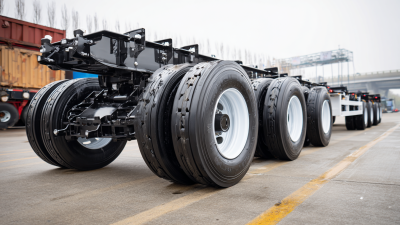
A capable supplier should explain steel grades, axle ratings, weld inspection, brake options, lighting systems, and corrosion protection clearly. Ask for test records, production photographs, warranty terms, and replacement-part timelines. One missed detail can create expensive downtime. Sometimes, the cheapest quote hides the highest ownership cost.
NATM Executive Director Kenda L. O’Donnell has emphasized that “compliance is a process, not a product.” That principle matters when reviewing a utility trailer manufacturer. A supplier should demonstrate repeatable quality, not simply promise it during a sales call.
This guide compares supplier experience, factory capability, customization, documentation, delivery performance, and after-sales support. It also considers regional service access and real customer feedback. No checklist is perfect. A buyer may still discover gaps after delivery. That is why supplier audits, sample inspections, and written specifications remain essential. The strongest decision combines measurable evidence with practical judgment.
Define your China utility trailer requirements before comparing suppliers. Start with the load, not the advertised trailer size. Record cargo length, width, height, weight, and loading frequency. Add a safety margin based on actual use. A trailer carrying landscaping tools needs different priorities from one moving compact machinery. Check the tow vehicle’s rated capacity and hitch specifications. Small details matter here.
Specify the axle configuration, suspension type, tire rating, braking system, frame material, deck surface, and ramp design. Describe your roads, climate, and storage conditions. Frequent rain may require stronger corrosion protection, while rough farm access calls for adequate ground clearance. Include target dimensions in a simple drawing. Photos of your current loading process can reveal clearance problems that words miss. I once treated payload as the only key figure. That assumption ignored tongue weight and caused an awkward redesign. Build these checks into the requirement sheet.
A reliable supplier should respond with measurable specifications, drawings, inspection points, and a clear production schedule. Ask how welds are checked and how coating thickness is verified. Confirm which components receive functional testing. Request sample quality records and confirm that documents match the destination market’s requirements. Clarify spare parts, warranty coverage, packaging, and shipment protection before placing an order. Do not accept “heavy duty” as a technical description. Require numbers. One overlooked detail can delay delivery: the coupler may fit the trailer but not the towing vehicle. Leave room for revisions, because the first specification is rarely perfect.
Choosing a China utility trailer supplier starts with comparing trailer types against your actual work. Open-deck trailers suit landscaping, machinery, and general hauling. Enclosed trailers offer better weather protection and cargo security. Dump trailers can save loading time, but their hydraulic systems require careful inspection. A trailer may look strong in photographs. That proves little.
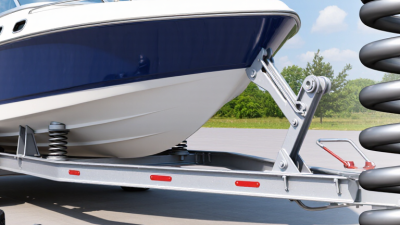
Material selection affects weight, durability, and maintenance. Hot-dip galvanized steel resists corrosion in wet environments, while painted steel usually costs less but needs better surface preparation. Aluminum reduces weight, although it can increase purchase cost and may flex under certain loads. Check the frame thickness, weld quality, floor material, axle capacity, tire rating, coupler size, lighting, and braking system. These specifications should match the intended payload, not an optimistic estimate.
Tips: Request drawings, material details, load tests, and recent inspection records. Ask how the supplier controls welding and coating quality. A sample trailer can reveal uneven welds, thin flooring, or poor cable routing. Verify the gross vehicle weight rating and tongue weight with independent measurements when possible. Do not compare prices alone. Freight, replacement parts, packaging, and warranty response can change the real cost. I have found that a detailed specification sheet prevents more disputes than a friendly promise. Still, some specifications may be misunderstood during translation, so confirm every measurement in writing. Small details matter.
A reliable supplier should provide a registered company name, operating address, and export history. Check these details through independent business records and trade references. Do not rely only on a polished website. Request current certificates, product drawings, and contact details for recent customers. One factory visit can reveal more than many online claims. Look for organized material storage, marked production areas, and trained workers.
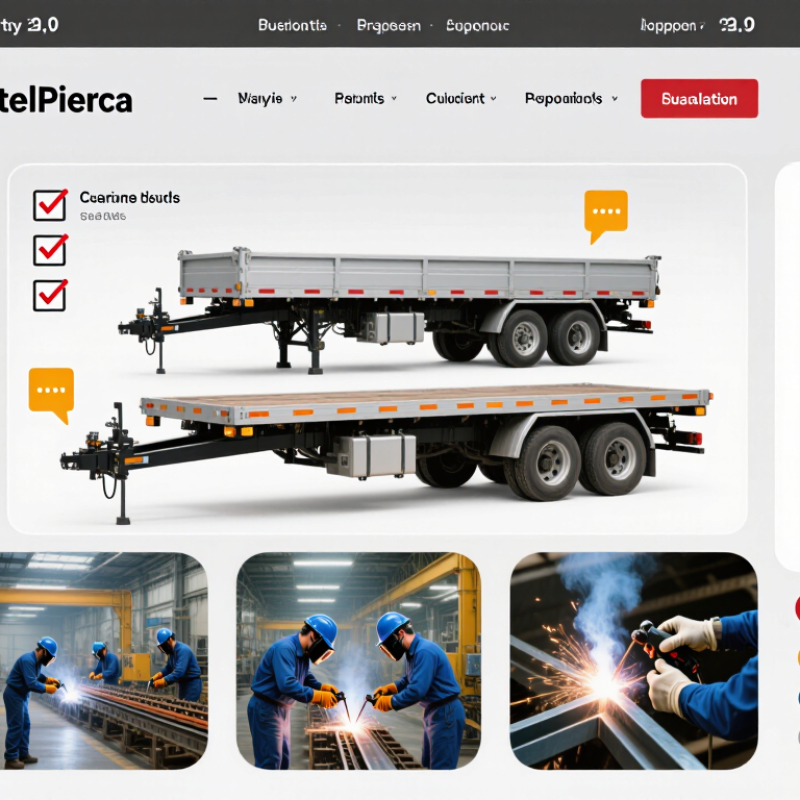
Factory capability matters when trailer specifications become demanding. Ask whether the supplier controls cutting, welding, coating, and final assembly in-house. Examine weld consistency, frame alignment, axle installation, and lighting protection. Request sample inspection records and load-test procedures. A capable team should explain tolerances clearly, not hide behind vague phrases. Photos help, but live video or an audit is stronger evidence.
Quality systems should include incoming material checks, process inspections, and final testing. Confirm how serial numbers connect trailers with steel batches and inspection reports. Ask how defects are recorded and corrected. A supplier may hold a quality certificate, yet daily control can still be uneven. I have learned that small details matter: loose wiring, incomplete paint coverage, or missing torque records often appear before larger problems. Leave room for questions and independent inspection. Silence is also information.
Finding the best China utility trailer supplier requires more than comparing the lowest quotation. Request a line-item offer covering steel grade, axle rating, brakes, tires, tooling, inspection, packaging, and export documents. Cheap quotes often hide expensive exclusions. That is where budgets break. Compare at least three suppliers using landed cost, not factory price. Include duties, inland transport, ocean freight, and port charges.
Customization should be documented before production starts. Ask for CAD drawings, weld samples, load-test records, and a clear revision process. Confirm whether changes affect lead time or minimum order quantity. The 2023 World Bank Logistics Performance Index used feedback from 4,090 logistics professionals across 139 economies. Its indicators include customs, infrastructure, international shipments, and logistics competence. These areas offer a useful framework for checking a supplier’s shipping claims. UNCTAD’s Review of Maritime Transport reports that over 80% of global merchandise trade by volume moves by sea. Therefore, verify the loading port, container plan, cargo protection, and document schedule.
After-sales support should be measurable. Require written warranty terms, spare-parts availability, troubleshooting procedures, and response-time targets. Ask who pays for replacement parts and freight when a manufacturing defect appears. Do not accept vague promises. One mistake I would avoid is trusting polished photographs as proof of quality. A supplier may show a strong frame but provide weak documentation. A factory audit, independent inspection, and trial order cost more initially, yet they reveal details that price sheets cannot.
Finding the best China utility trailer supplier begins with a physical sample, not attractive online photos. Request a production-level trailer before discussing large orders. Inspect every weld for even beads, clean edges, and visible gaps. Check the frame with a straightedge. It should not twist under normal pressure.
Examine the axle, coupler, suspension, lights, and safety chains closely. Measure the deck length, width, ground clearance, and load-supporting members. Open and close the ramp several times. Listen for binding or unusual movement. Check the coating beneath the deck, where moisture often causes early corrosion. Small details matter. I once overlooked a weak latch during a quick inspection, and it later needed redesigning.
Tips: Ask for two or three samples when possible. Compare their dimensions and welding quality. Test the trailer with a controlled load. Photograph every defect and request written corrective actions. Review material certificates, inspection records, and packaging details. Do not accept a sample that looks unusually perfect but cannot be reproduced.
A reliable supplier explains technical limits clearly. They should answer questions about steel thickness, axle capacity, brake options, and replacement parts. Ask how they control quality between batches. Factory visits, independent inspections, and video calls can provide useful evidence. Still, communication alone is not proof. A supplier may promise consistency and miss it later. Require approved drawings and inspection checkpoints before production. Pay attention to how they handle criticism. Their response often reveals more than their sales presentation.