
How to Choose the Right Inflatable Boat?
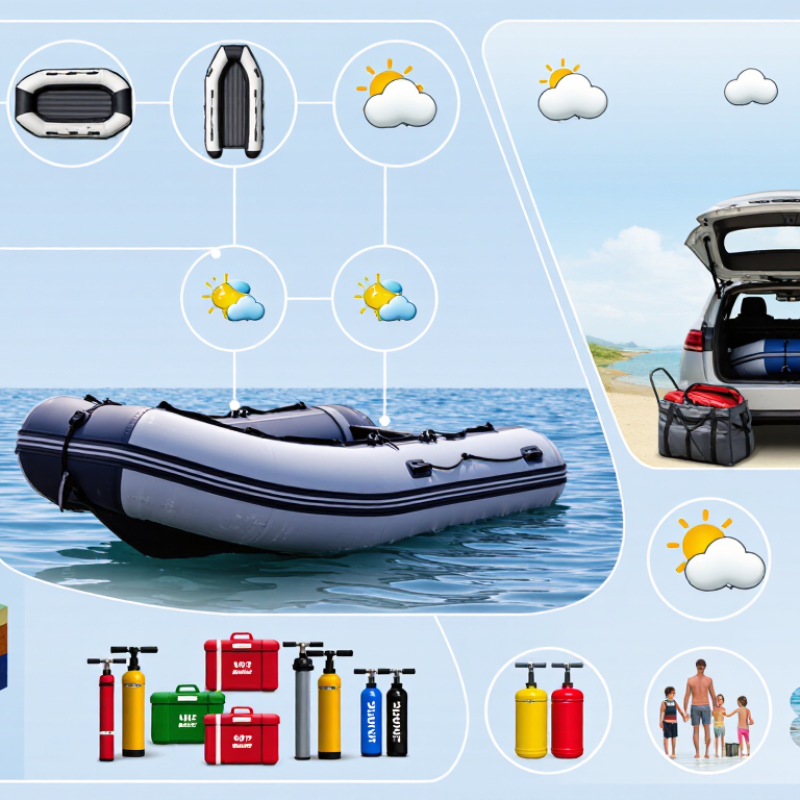
Choosing the right inflatable boat starts with its intended use. A compact round-bottom tender turns easily around docks and shallow shorelines. A flat-bottom model feels steadier for fishing, but it may drift more in wind. For longer trips, a V-shaped hull usually tracks better and handles small waves with greater control. Do not choose by length alone. Interior space, load capacity, and packed size matter just as much.
Material affects durability, weight, and maintenance. PVC-coated fabric is often light, affordable, and easy to repair. CSM-coated fabric generally resists heat, sunlight, and harsh conditions better, but it costs more and may weigh more. Look beyond fabric names. Check the fabric thickness, coating layers, seam finish, and valve quality. Heat-welded seams can provide consistent bonding, while poorly finished glued seams may lift at the edges. I once focused too heavily on appearance and missed a weak floor attachment. That mistake changed how I inspect boats.
Tips: Press along every seam and inspect the transom carefully. Inflate the boat fully and leave it for several hours. A softening chamber may indicate a small leak. Check the floor for flex under your weight. Measure the packed bag before buying, because storage problems become frustrating quickly. Bring a repair kit, even for short outings.